How I made $240 in one week with OpenClaw
I recently wanted to see what happens when you give an AI agent a real job.
The job was simple: sell my family’s clothes on Vinted (Vinted is basically Craigslist for clothes and it’s popular in Europe). I had a pile of things I wanted to sell but never took the time to list them. So I wondered if an agent could run the entire workflow for me.
I connected OpenClaw to a Mac mini, and gave it access to a browser, my disk, and my emails. I talk to the agent through WhatsApp, so I can run the system from anywhere.
So far, the agent has generated around $240 of sales and created 11 listings.
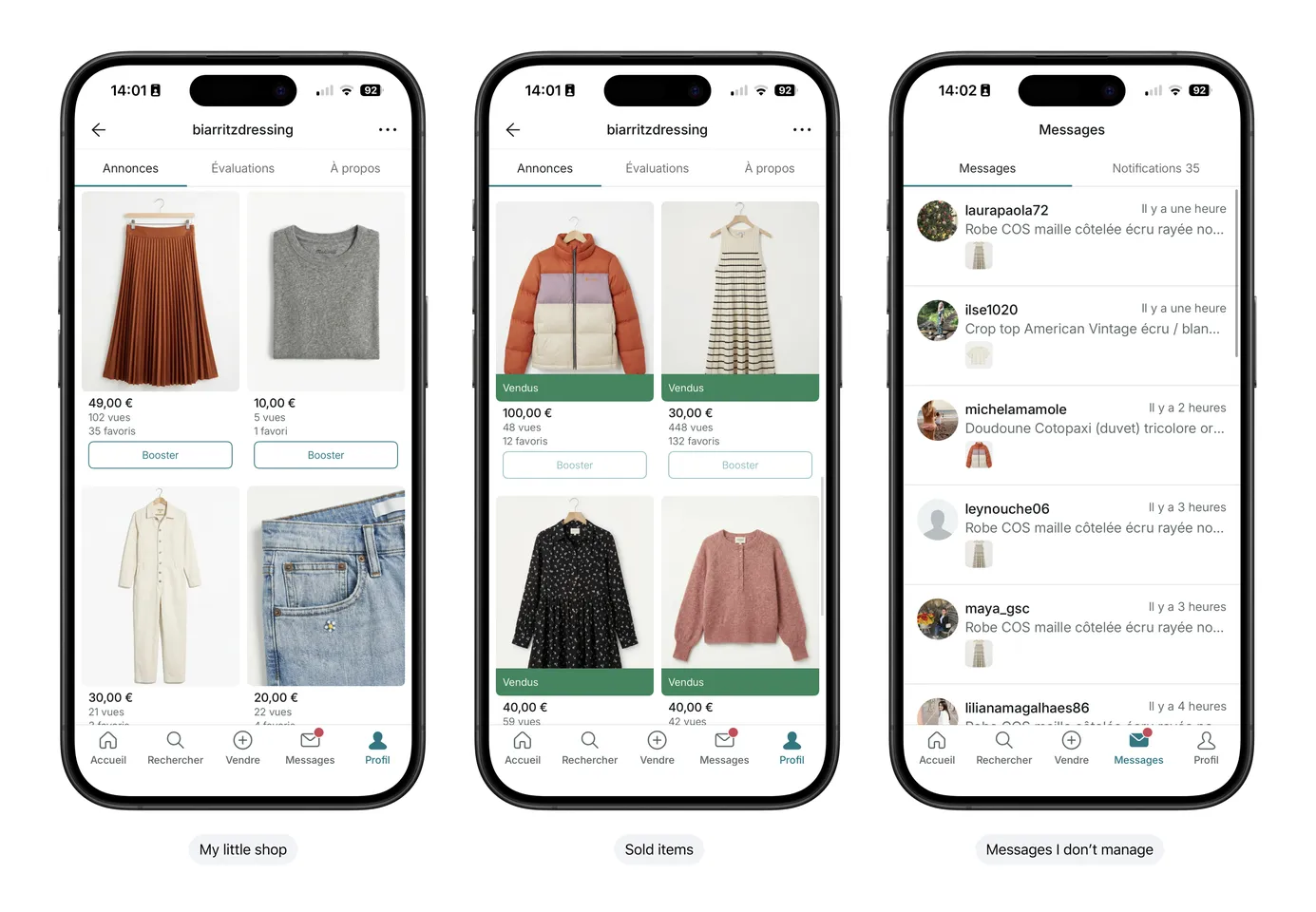
The workflow
The process starts with me taking photos of a piece of clothing and sending them to the agent. From there, the agent does most of the work:
- First, it uses the Manus API to adjust the photos and make them look more like ecommerce product images
- It analyzes the photos and reads the labels to extract things like the brand, size, and materials. It also looks at the item visually to infer things like color, category, and sometimes even approximate dimensions
- Once it has all information needed, it searches for similar listings to estimate the right price
- Then it goes to the Vinted website and creates the listing itself. Title, description, price, photos, everything
- When buyers start messaging, the agent handles the conversation. If someone writes in Italian, Dutch, or English, it reads the message and replies in the same language. It also negotiates offers
I gave it one simple rule: never accept an offer more than 10 percent below the listed price. The agent also monitors my email inbox. When Vinted sends notifications about messages or offers, it reads them and replies automatically.
The agent ordered its own shipping supplies
At some point I realized I was missing some basic materials for shipping. Instead of looking for them myself, I asked the agent to go on Amazon and add everything I needed to my cart. The agent browsed Amazon and selected a bunch of items like packaging materials and shipping supplies.
Honestly, I didn’t review the selection. I was a bit lazy and just approved the order expecting something bad (wrong dimensions, poor quality, something like). But so far everything it ordered has been perfectly usable. I ended up using every item it picked.
It felt like the agent was equipping itself with the tools needed to operate.
The agent designed the thank-you card
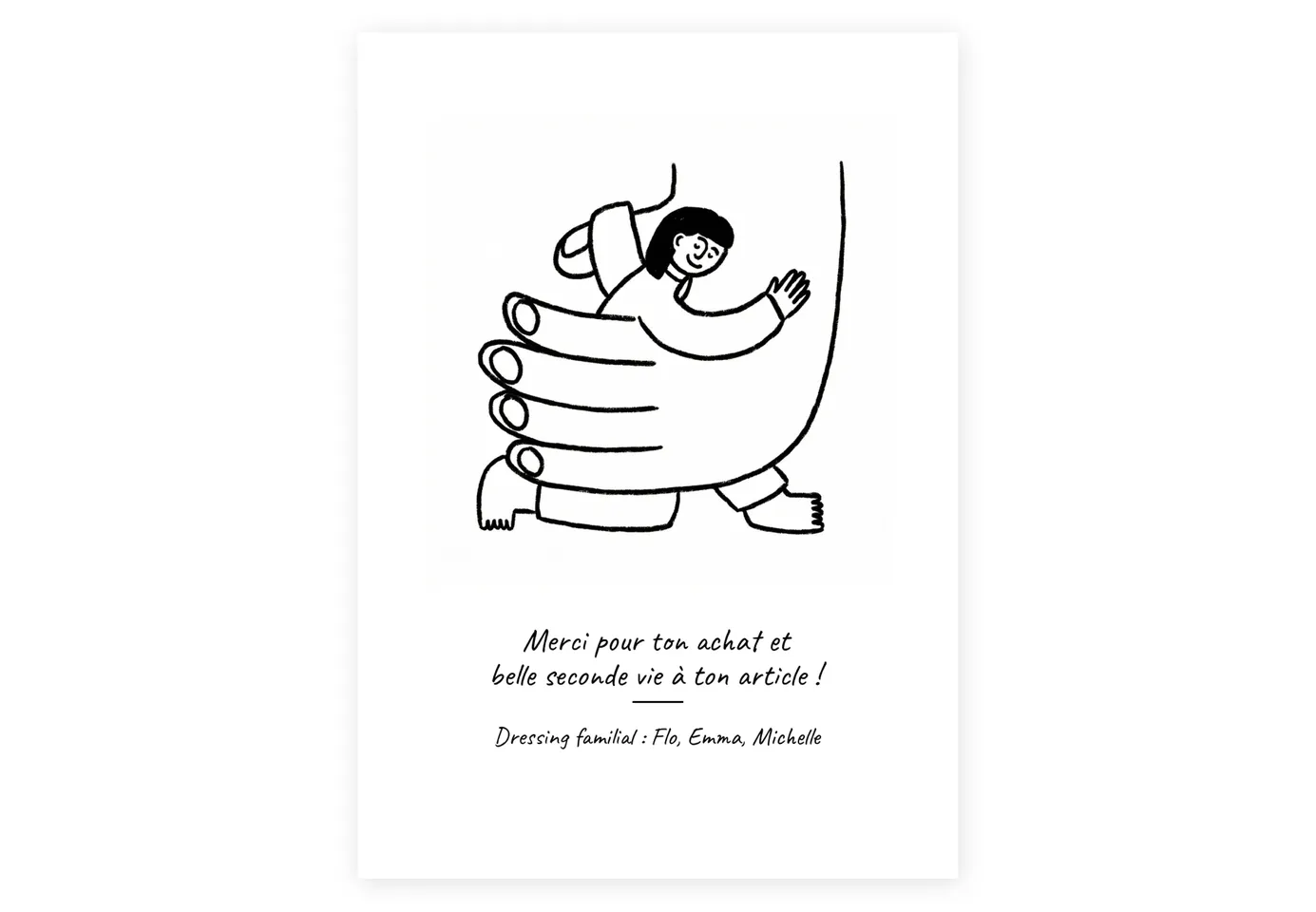
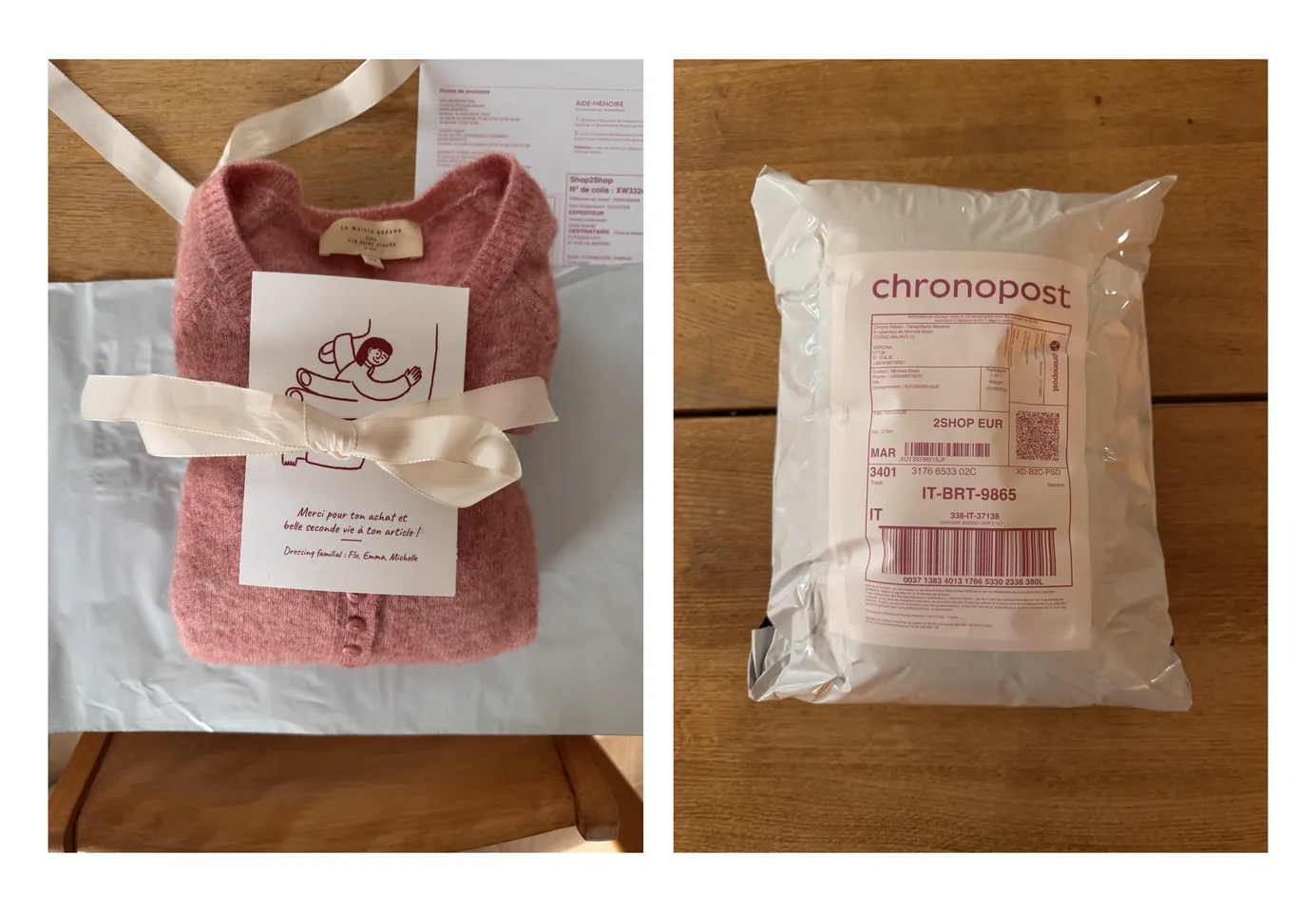
I also wanted to include a small thank-you card in each package. So I asked the agent to generate one. Instead of writing it directly, it used Manus to design a printable card thanking buyers for their purchase based on inspirations I shared. Now every package includes a small note generated by the agent itself.
What still requires a human
The biggest bottlenecks are still physical.
Taking photos of the clothes takes time. Packing the item, printing the label, and shipping it also takes time. Agents can automate the digital part of the marketplace, but the physical logistics remain the slowest step.
Another limitation appears when buyers ask very specific questions. For example, someone recently asked for the exact sleeve length of a jacket. The agent couldn’t answer that and escalated to me and asking for clarification.
So the system isn’t fully autonomous yet. It’s more like a very capable assistant that runs 80 percent of the process.
What surprised me
A few things surprised me during the experiment.
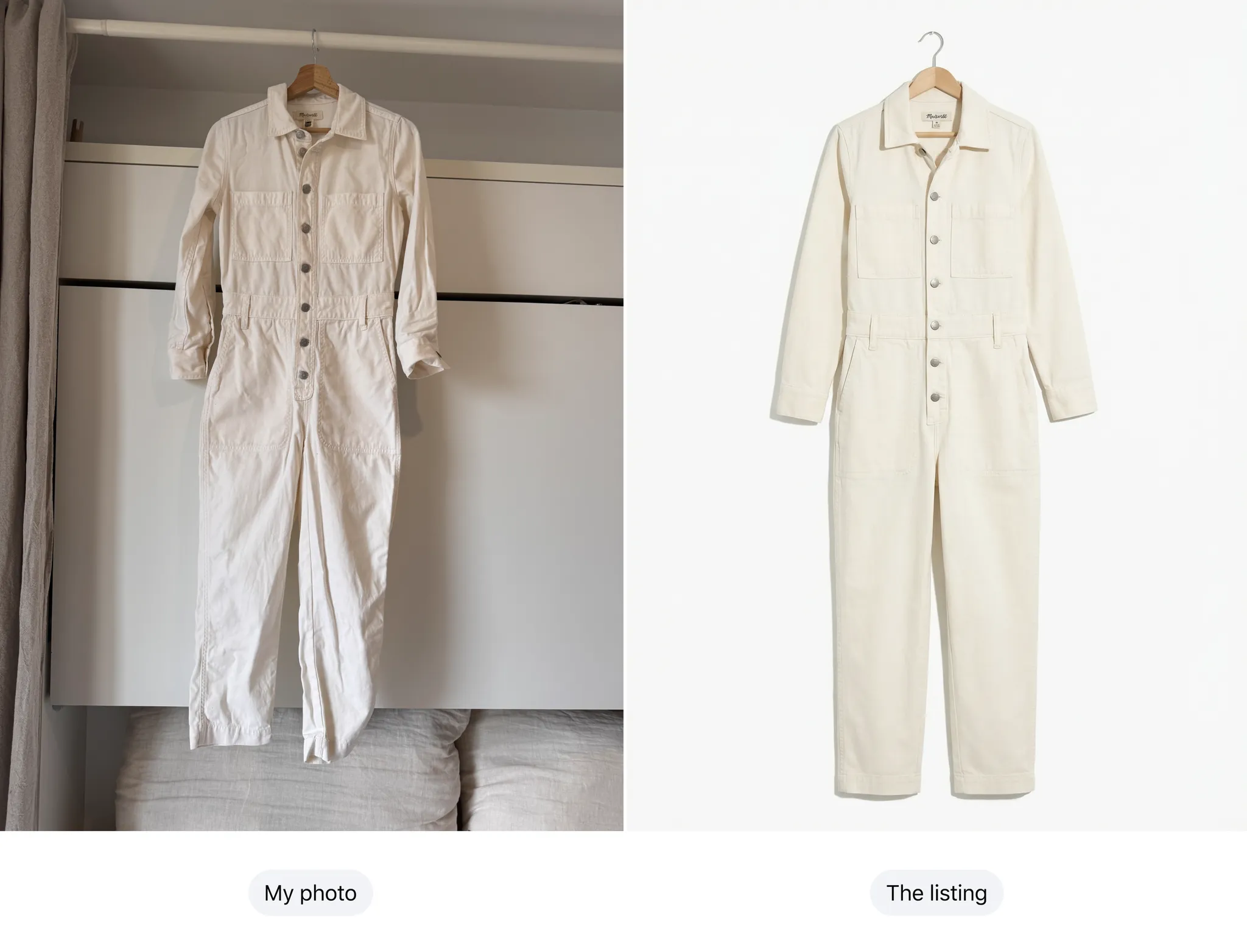
The first is how good the photo editing is. The agent enhances the images to make them look almost like ecommerce product photos. In some cases they might actually be too good, which could potentially give buyers unrealistic expectations.
It was also surprisingly careful about making sure the listings were accurate. For example, when I uploaded a photo of a white cotton American Vintage t-shirt, the agent noticed some gray fibers in the fabric and asked me whether it was part of the material or stains. I hadn’t even thought about it, but it was essentially double-checking that the listing wouldn’t accidentally mislead buyers.
Pricing was another interesting challenge. At first I asked the agent to maximize profit, and it interpreted that very literally. It priced items quite high compared to the market, which slowed down sales. I eventually had to adjust the strategy to prioritize selling rather than maximizing price.
Conclusion
This experiment is still small and imperfect. The setup took about a day, and the system still needs supervision. But it showed something interesting: agents are already capable of running large parts of a real micro-business.
They can gather information, operate websites, negotiate with humans, translate languages, and manage conversations.
The main friction points are still physical tasks like taking photos, measuring items, and shipping packages.
Note: during this experiment I somehow managed to break my printer while printing shipping labels. So the $240 will probably just buy me a new printer.